

Summer school on climate-related risks at University of Turin
At the end of June 2026, the University of Turin organised the one-week summer school “Climate Risks in Banking Supervision and Monetary Policy” at the Collegio Carlo Alberto for the first time. A group of students from the Bundesbank’s University of Applied Sciences took part in the programme together with Professor Christopher Priberny. The students’ participation draws on the cooperation with Professor Vera Palea and her team from the University of Turin’s Department of Economics and Statistics "Cognetti de Martiis" with the Bundesbank’s University of Applied Sciences, which was agreed last year.
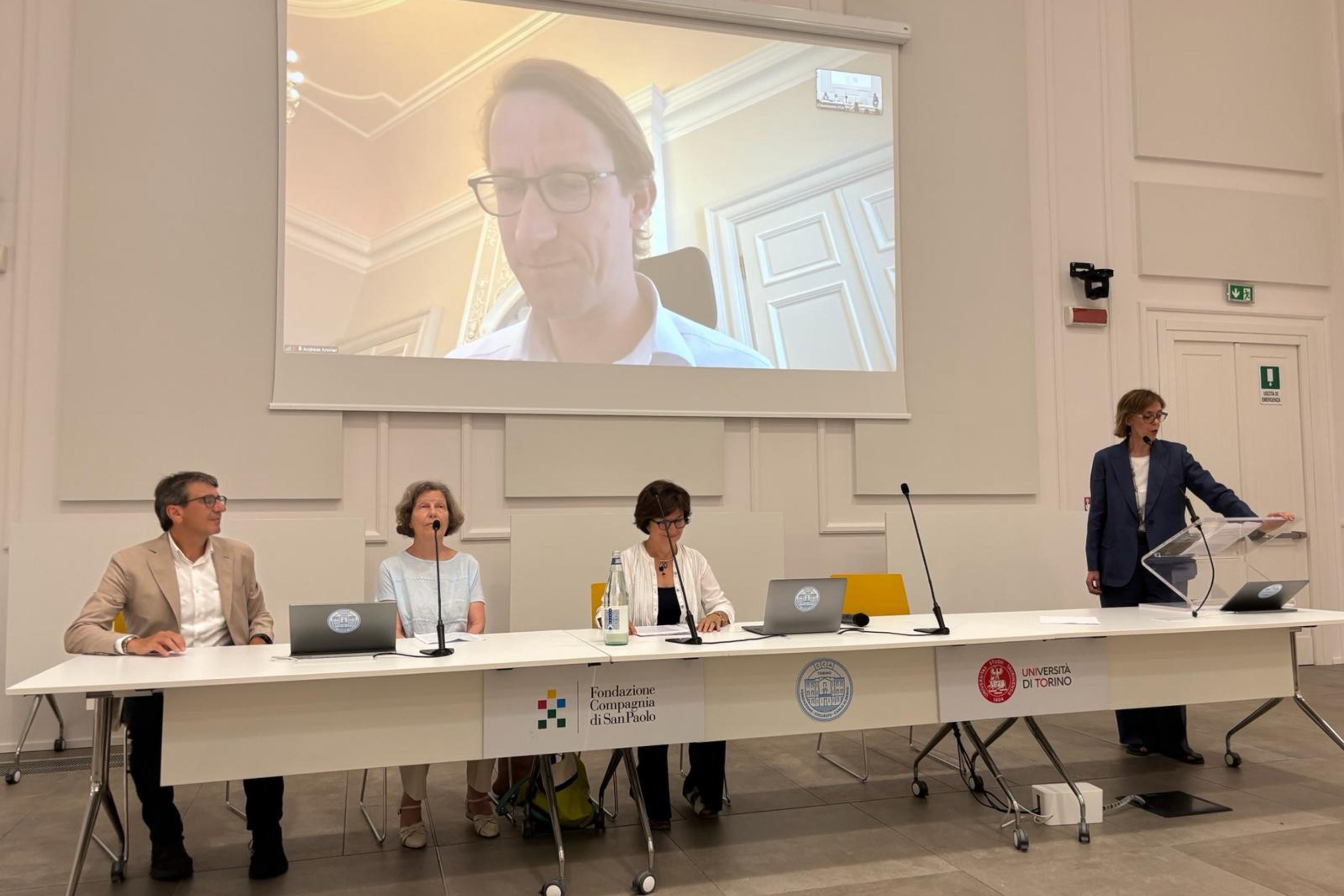
On the third day, the students put what they had learnt into practice. In a workshop, mixed teams from the University of Turin and the Bundesbank’s University of Applied Sciences drew up their own climate scenario analyses based on the NGFS scenarios. The interdisciplinary interaction with the different institutional perspectives produced convincing results. The technical highlight of the fourth day was the presentation by Serena Fatica, Senior Economist at the Joint Research Centre of the European Commission. It provided an overview of policy-relevant research on climate-related economic and financial risks, combining three topics: physical risks for enterprises and financial institutions, transition risks in capital markets and the financing of the green transformation.
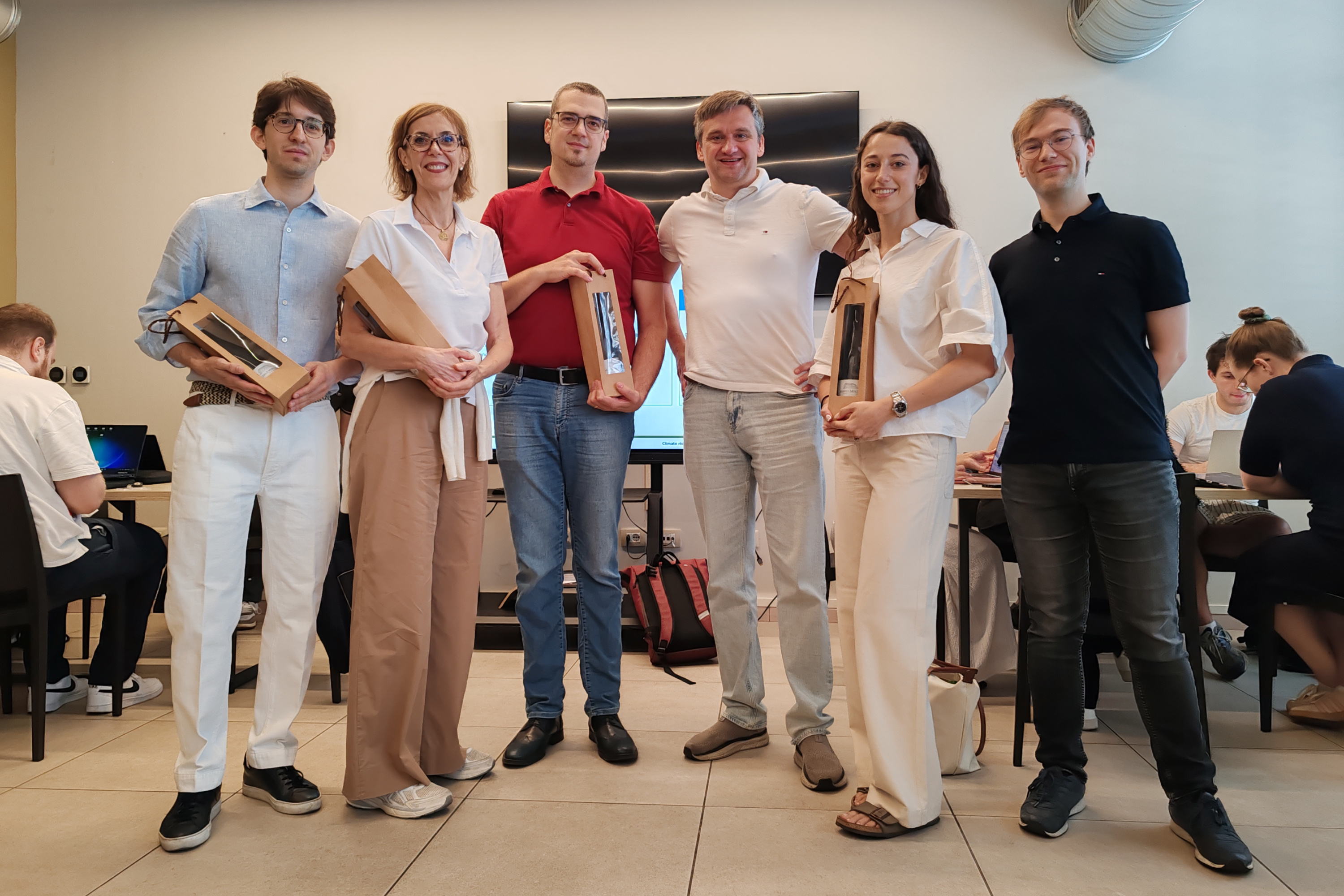
The format provided students with the opportunity to address current issues in banking supervision and monetary policy from an international perspective and to establish contacts with the academic community and central bank practice in Europe. Cooperation with the University of Turin is set to be continued in the coming years.